
Car Accidents in Barrhaven: What to do Immediately After a Crash
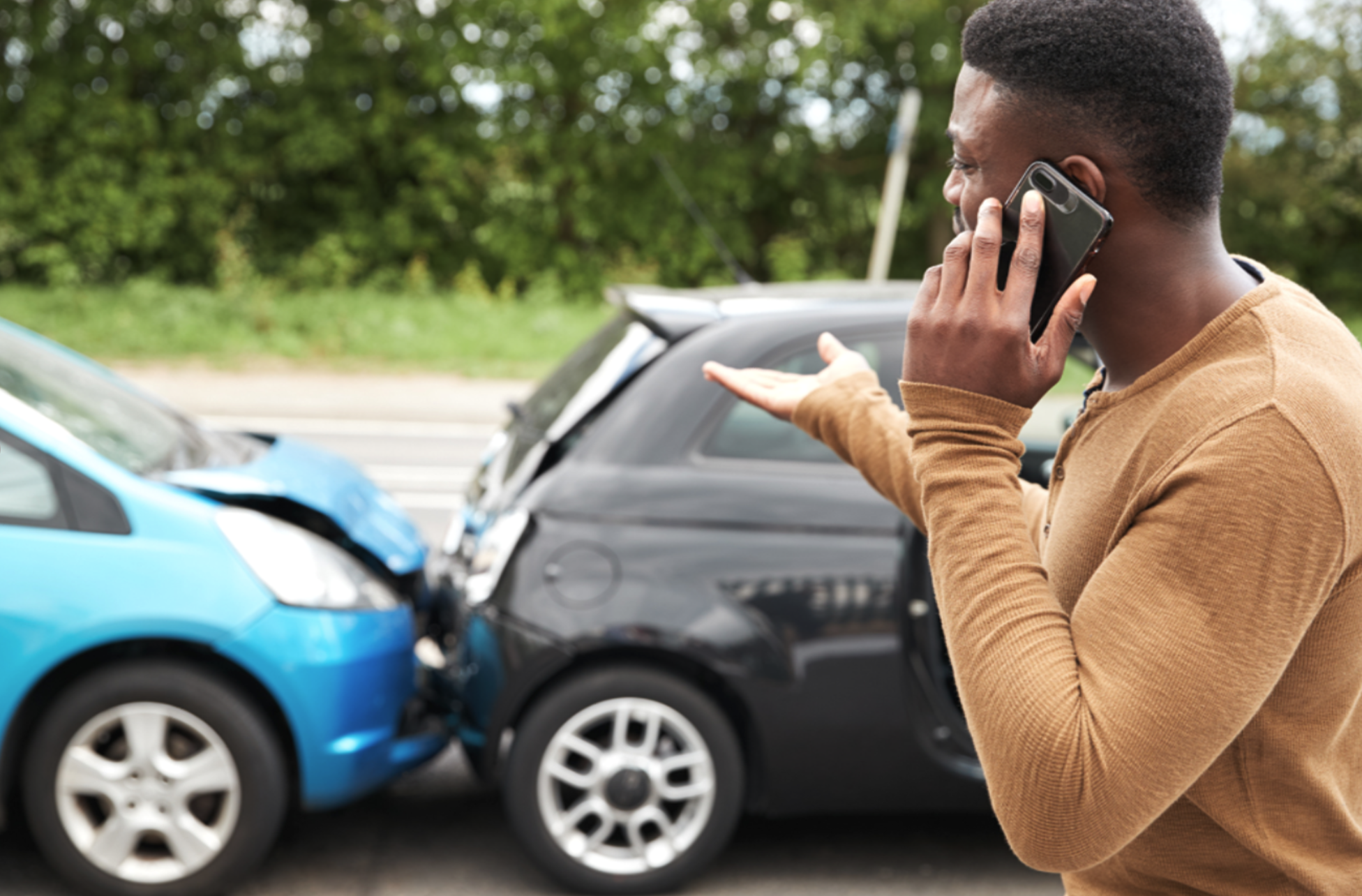
Car Accidents in Barrhaven: What to Do Immediately After a Crash
Car accidents don’t feel dramatic when they happen in familiar places.
They happen on roads you drive every day—along Strandherd, Greenbank, Woodroffe, or in parking lots outside grocery stores and schools. One moment everything is routine. The next, you’re dealing with confusion, adrenaline, and a situation that needs quick decisions.
In those first few minutes, it’s easy to focus only on the visible damage. But what happens immediately after a crash can shape everything that follows—your recovery, your insurance experience, and how smoothly the situation is resolved.
For Barrhaven and Ottawa drivers, knowing what to do ahead of time can make a significant difference when it matters most.
The First Priority: Safety Comes Before Everything
Right after a collision, your first instinct might be to assess the damage to your vehicle. But before anything else, focus on safety.
If the vehicles are drivable and it’s safe to do so, move them out of active traffic. Barrhaven’s busy intersections and main roads can quickly become hazardous if vehicles are left in place. Turn on hazard lights and, if available, use warning triangles or signals to alert other drivers.
Check yourself and any passengers for injuries. Even if everyone appears fine, it’s important to stay aware—adrenaline can mask symptoms in the moment.
If there are any injuries, or if the situation feels unsafe, call emergency services immediately.
What Ontario Law Requires You to Do
In Ontario, drivers involved in a collision have specific legal obligations.
You are required to remain at the scene, provide your name, contact information, driver’s licence, and insurance details, and offer assistance if anyone is injured. Leaving the scene—especially in cases involving injury or significant damage—can lead to serious consequences.
Police must be contacted if:
- Someone is injured
- There is significant damage (generally over $2,000 combined)
- There are concerns about impaired driving
- For many minor collisions in Ottawa, drivers are directed to report the incident at a collision reporting centre instead of waiting for police at the scene.
Why Documentation Matters More Than You Think
After safety is addressed, documentation becomes your most important tool.
It’s easy to assume that details will be remembered later, but memory fades quickly—especially after a stressful event. Taking a few minutes to document the scene properly can prevent confusion down the line.
Capture:
- Photos of all vehicles involved, including damage from multiple angles
- The surrounding area (road conditions, signage, intersections)
- Licence plates and vehicle positions
- Any visible contributing factors (weather, debris, construction)
- If there are witnesses, politely ask for their contact information. Their perspective can be valuable if there are disagreements about what happened.
- This step isn’t about assigning blame—it’s about preserving clarity.
The Insurance Side Starts Immediately
Even before you leave the scene, the insurance process has effectively begun.
In Ontario’s no-fault insurance system, your own insurer is typically your first point of contact, regardless of who caused the accident. That means the information you collect—and how clearly you report it—can influence how your claim is handled.
When speaking with your insurer:
- Stick to facts rather than assumptions
- Avoid speculating about fault
- Provide documentation and photos when possible
- Small inconsistencies early on can lead to delays or complications later. Clear, consistent reporting helps keep the process moving.
- Why “Minor” Accidents Aren’t Always Minor
In Barrhaven, many collisions happen at relatively low speeds—parking lots, neighbourhood streets, or stop-and-go traffic.
These incidents are often dismissed as minor.
But what feels minor at the scene doesn’t always stay that way.
Vehicle damage can be more extensive than it appears. More importantly, what may initially seem like a minor injury—such as mild soreness or stiffness—can evolve into something more disruptive over time. Soft tissue injuries, in particular, may take hours or even days to fully surface. Headaches, back pain, or limited mobility can develop gradually, long after the adrenaline has worn off.
That’s why it’s important to monitor how you feel in the hours and days following an accident. Understanding what qualifies as a minor injury can also provide useful context when deciding how to respond. Seeking medical attention when something doesn’t feel right isn’t overreacting—it’s responsible.
The Decisions You Make Early Can Carry Forward
After a crash, there’s often a strong desire to “move on” quickly.
But the decisions made in the immediate aftermath can have lasting effects.
Choosing not to document the scene thoroughly, delaying reporting, or downplaying symptoms can create challenges later—especially if complications arise.
This is also the stage where some people begin to look for guidance beyond insurance, particularly if injuries or disputes become more complex. Understanding your options, including when it might make sense to speak with a car accident lawyer, can help ensure you’re not navigating unfamiliar territory without support.
The key is not to rush decisions. Give yourself time to assess the situation properly.
Barrhaven’s Driving Environment: Familiar but Not Risk-Free
Barrhaven is often seen as a quieter part of Ottawa, especially compared to the downtown core.
But its roadways present their own challenges.
High-traffic corridors, rapid residential growth, school zones, and frequent turning movements all contribute to collision risk. Many accidents happen not because drivers are reckless, but because conditions change quickly—busy intersections, sudden stops, or limited visibility during peak hours.
Familiarity with local roads can sometimes lead to complacency. Drivers may feel more relaxed on routes they travel daily, which can reduce reaction time when something unexpected happens.
Being aware of this dynamic is part of staying prepared.
What Prepared Drivers Do Differently
Most people don’t think about car accidents until they’re in one.
But drivers who handle these situations well usually have one thing in common: they’re prepared.
Preparation doesn’t mean expecting the worst. It means understanding the basics ahead of time so you’re not figuring everything out under pressure.
That includes:
- Knowing what information to exchange
- Keeping your insurance details accessible
- Having a general understanding of reporting requirements
- Knowing a local tow company
- Being mentally ready to slow down and assess rather than react impulsively
- These small points of awareness can make a stressful situation far more manageable.
- Final Thoughts: Clarity Over Panic
A car accident, even a minor one, can disrupt your day instantly.
In a place like Barrhaven, where driving is part of everyday life, these moments are more common than most people expect. But while you can’t control when an accident happens, you can control how you respond.
Focusing on safety, documenting clearly, and making thoughtful decisions in those first moments helps bring structure to what otherwise feels chaotic.
And in situations where everything happens quickly, clarity is what makes the biggest difference.
This article is sponsored by Ristich Law – we thank them for supporting our community blog.
Related Posts
-

-

-

-


